Research, Advocacy and Program Development
Empowerment & Resilience Building
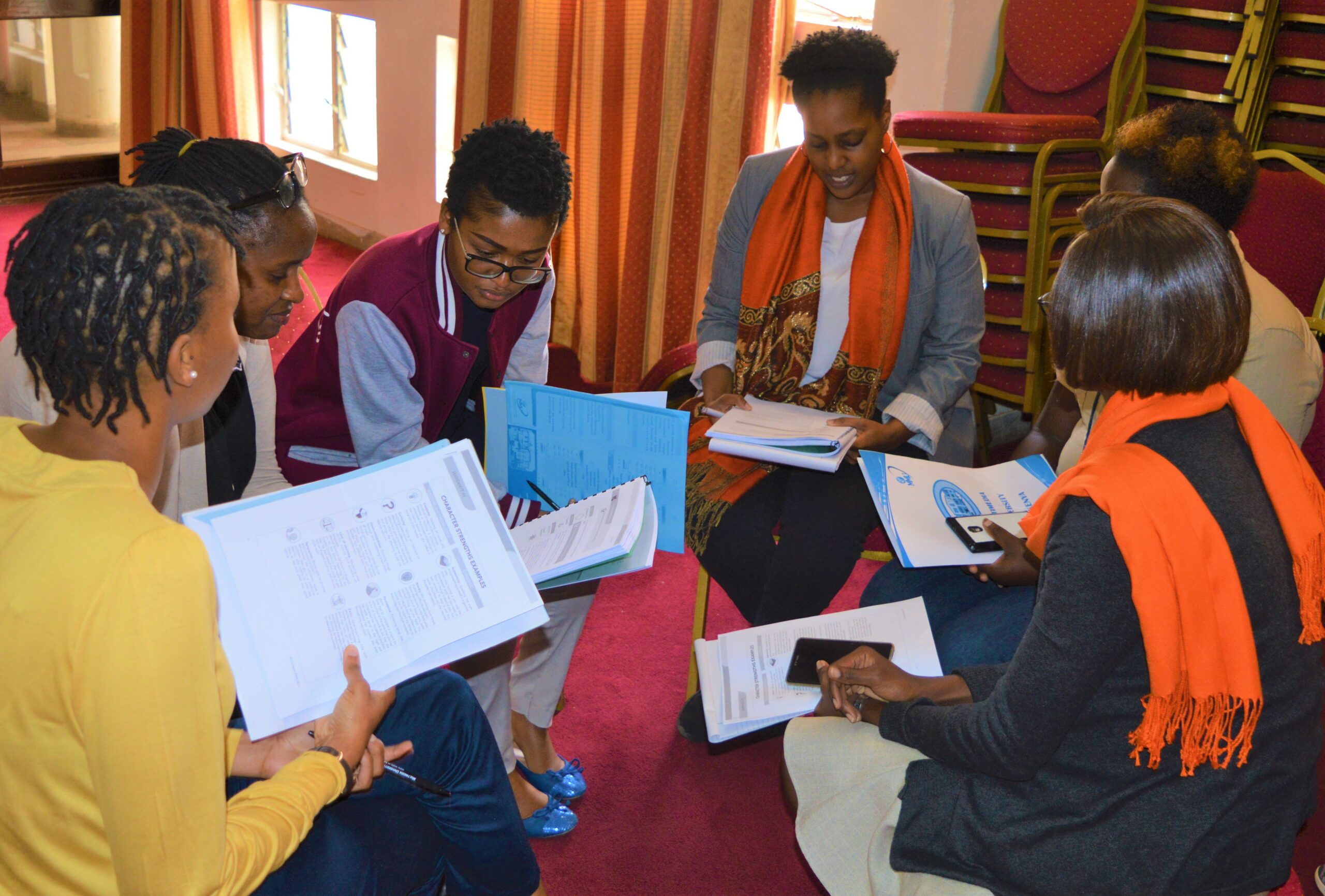
Our program equips young people with essential skills, mentorship, and support networks to overcome social exclusion and thrive in peace and security initiatives using the ecological model; community, institutional, national, and regional levels. Through targeted training, capacity and solidarity building workshops, and community mobilization activities, the program fosters self-advocacy, bolsters confidence, and ignites innovative problem-solving capacity, empowering youth to effectively participate and lead reforms that broaden opportunities for inclusive and meaningful participation, and foster sustainable peace and security in the region.
Legal and Institutional Reforms
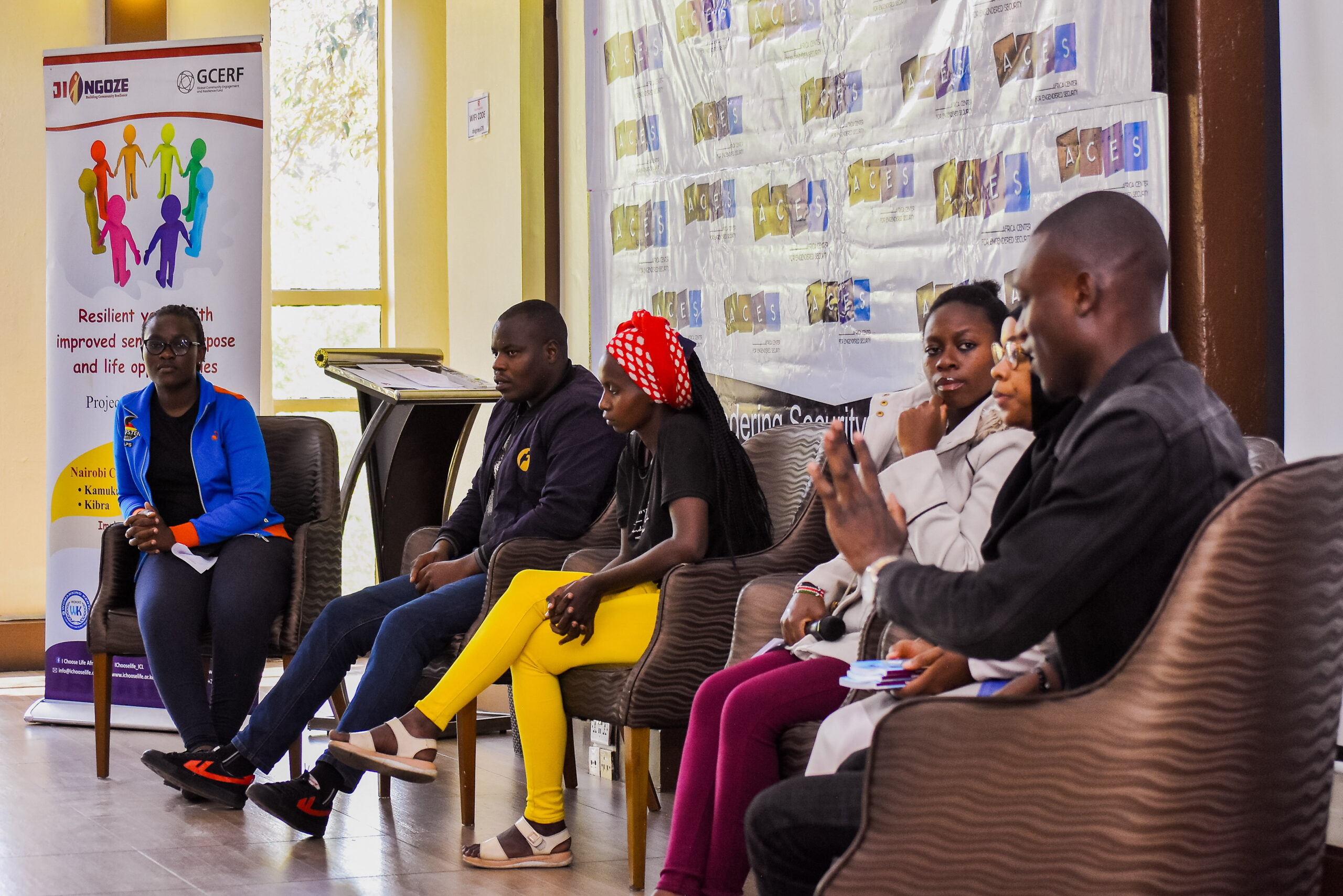
We drive and support legislative, policy, and institutions reform by collaborating with government bodies, intergovernmental organizations, independent commissions, civilian oversight groups, civil society, and local communities. Through targeted advocacy meetings, training sessions, technical assistance, and strategic advisory services, we stimulate demand for reforms and accelerate transformative change that ignites and integrates the voices of underrepresented groups—especially youth—while bridging systemic power imbalances. This comprehensive approach fosters effective, inclusive decision-making and lays the foundation for sustainable, long-term peace in Kenya and Eastern Africa.
Discover Our Impact at ACES.
- Security and Criminal Justice Sector Reforms (SCJSR)
- Prevention and Transformation of Conflict and Violent Extremism
- Community Based Climate Adaptation and Mitigation (COBCAM)
Security and Criminal Justice Sector Reforms (SCJSR) is a central theme in the development, conflict transformation and peace building agenda in Eastern Africa. This involves infusing the principles of accountability, professionalism, and efficiency, strengthening civilian oversight role, aligning security agencies operations to international best practices, transforming the underlying values, norms, and politics that frame the operations of security agencies, addressing the history of human rights violations by promoting dialogue, reconciliation and healing, and building trust and restoring relationships.
ACES – Africa Center plays an important role in the reforms and transformation of security and criminal justice sector programs including researching and strengthening of critical intersections, building the enabling institutional capacities through training, policy and expert advisory services, mobilizing and engaging with key actors and stakeholders including media, civil society, academia, private sector, development partners and governments, and influencing inclusion and meaningful participation of women and youth by incorporating gender and human rights perspectives in line with UNSCR 1325 and 2250.
ACES – Africa Center has various country and regional level interventions under our Prevention and Transformation of Conflict and Violent Extremism (PTCVE) program. One outstanding regional level intervention is the Eastern Africa Community of Practice on Prevention and Transformation of Conflict and Violent Extremism (EAPTCVE) bringing together 24 civil society organizations in eight countries; Kenya, Uganda, Somalia, Tanzania, Burundi, Rwanda, DRC and South Sudan working together through cross-country learning programs with the view to building regional, community and institutional resilience against conflict driven violent extremism.
Our country level interventions work closely with CT/PCVE state-lead agencies to implement national strategies and action plans, build the capacity of counter-terrorism programs to comply with national and international laws, and to advocate for the mainstreaming of gender and human rights perspectives.
This program works with communities to research and strengthen culturally appropriate primary prevention interventions that support communities’ climate adaptation. The program explores the uses indigenous knowledge and gender sensitive and transformative cultural practices that foster adaptation, mitigation and resilience to reduce the risks of conflicts, disaster, poverty in communities that are adversely affected by climate change and climate variability.
The project also uses information generated through grassroot communities’ climate-dialogue to raise the sense of urgency and to advocate with and influence government and business policies and consumer practices through strategic engagements.